
What Is SPC Flooring?
SPC stands for Stone Plastic Composite. SPC flooring is a type of rigid core vinyl flooring made from a combination of natural limestone powder (calcium carbonate), polyvinyl chloride (PVC), and stabilizers. These materials are compressed under high pressure to create a highly durable and dimensionally stable core layer.
Unlike traditional vinyl flooring, SPC flooring features a rigid and dense core, which gives it superior stability and resistance to expansion and contraction caused by temperature changes.
Most SPC flooring products also use a click-lock installation system, allowing planks to snap together without glue or nails, making installation faster and easier.
Key characteristics of SPC flooring include:
100% waterproof structure
High-dimensional stability
Excellent durability
Easy click installation
Low maintenance requirements
Structure of SPC Flooring
SPC flooring typically consists of five functional layers, each designed to improve performance and durability.
1. UV Coating Layer
The top UV coating protects the surface from scratches, stains, and fading. It also improves the floor's resistance to daily wear and enhances its appearance.
2. Wear Layer
The wear layer is a transparent protective layer that determines the floor's durability and lifespan. Common thickness options include:
0.3 mm – residential use
0.5 mm – light commercial use
0.7 mm – heavy commercial use
A thicker wear layer generally means better long-term performance.
3. Decorative Film Layer
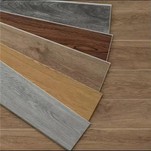
This layer provides the floor's visual design. Using high-definition printing technology, it can replicate the appearance of:
Natural wood
Stone textures
Marble patterns
This allows SPC flooring to offer the look of natural materials at a lower cost.
4. SPC Core Layer
The SPC core layer is the main structural component of the flooring. Made from limestone powder and PVC, it provides:
High density and rigidity
Strong impact resistance
Moisture resistance
Excellent dimensional stability
This core layer is what differentiates SPC flooring from other vinyl flooring products.
5. Underlayment Layer
Many SPC flooring products include a built-in underlayment such as IXPE or EVA foam. This layer helps to:
Reduce noise
Improve walking comfort
Provide additional moisture protection
Advantages of SPC Flooring
SPC flooring has become popular worldwide because it offers several practical advantages.
100% Waterproof
SPC flooring is completely waterproof, making it suitable for moisture-prone areas such as:
Kitchens
Bathrooms
Laundry rooms
Basements
Unlike laminate or hardwood flooring, SPC flooring will not swell or warp when exposed to water.
Excellent Durability
The rigid core structure gives SPC flooring exceptional strength and durability. It can withstand heavy foot traffic, making it ideal for both residential and commercial environments.
Easy Installation
Most SPC flooring uses a click-lock system, allowing planks to connect easily without glue or nails. This floating installation method reduces installation time and labor costs.
Environmentally Friendly
High-quality SPC flooring is manufactured with environmentally friendly materials and often meets international certification standards such as:
FloorScore
CE certification
SGS testing standards
These certifications ensure low VOC emissions and safe indoor air quality.
Low Maintenance
SPC flooring requires minimal maintenance. Routine cleaning usually involves:
Sweeping or vacuuming
Occasional damp mopping
Because of its durable wear layer, it resists scratches and stains effectively.
SPC Flooring vs Other Flooring Types
When compared to other flooring materials, SPC flooring offers several performance advantages.
| Flooring Type | Waterproof | Durability | Stability | Installation |
|---|---|---|---|---|
| SPC Flooring | Yes | Excellent | Very Stable | Click Lock |
| Laminate Flooring | No | Good | Moderate | Click Lock |
| Hardwood Flooring | No | Good | Sensitive to Moisture | Nail or Glue |
| WPC Flooring | Yes | Good | Softer Core | Click Lock |
Among these options, SPC flooring stands out for its water resistance, stability, and cost-effectiveness.
Applications of SPC Flooring
Because of its durability and waterproof properties, SPC flooring can be used in a wide range of environments.
Residential Applications
SPC flooring is commonly used in:
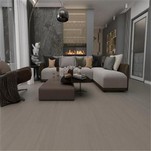
Living rooms
Bedrooms
Kitchens
Hallways
Its durability and stylish appearance make it suitable for modern home interiors.
Commercial Applications
Many businesses choose SPC flooring for high-traffic areas such as:
Offices
Retail stores
Restaurants
Hotels
Its wear resistance and easy maintenance help reduce long-term operational costs.
Public Buildings
SPC flooring is also widely used in public facilities including:
Hospitals
Schools
Airports
Shopping malls
Its durability and hygienic surface make it ideal for large-scale commercial projects.
How to Choose the Right SPC Flooring
For importers, distributors, and project buyers, selecting the right SPC flooring involves considering several important factors.
Thickness
Common SPC flooring thickness options include:
4 mm
5 mm
6 mm
7 mm
8 mm
For residential use, 4–5 mm is typically sufficient. For commercial projects, thicker flooring (5–7 mm) is recommended.
Wear Layer Thickness
The wear layer determines how well the floor resists scratches and wear.
0.3 mm – residential spaces
0.5 mm – light commercial areas
0.7 mm – heavy commercial traffic
Surface Texture
Modern SPC flooring offers various surface textures to enhance realism and aesthetics, including:
Embossed surface
Hand-scraped texture
EIR (Embossed in Register)
EIR technology aligns the surface texture with the printed design, creating a more natural wood appearance.
Future Trends of SPC Flooring
The global flooring industry continues to evolve, and SPC flooring is expected to remain a major trend due to its versatility and performance.
Future developments may include:
Improved eco-friendly materials
More realistic wood and stone textures
Integrated acoustic underlayment
Enhanced wear resistance for commercial environments
As construction standards increasingly prioritize durability and sustainability, SPC flooring is likely to play an even larger role in modern building projects.
Frequently Asked Questions (FAQ)
Is SPC flooring waterproof?
Yes. SPC flooring is 100% waterproof, making it suitable for bathrooms, kitchens, and other moisture-prone areas.
How long does SPC flooring last?
High-quality SPC flooring can last 15 to 25 years, depending on the wear layer thickness and maintenance.
Is SPC flooring suitable for commercial use?
Yes. SPC flooring with a 0.5 mm or thicker wear layer is commonly used in commercial spaces with moderate to heavy foot traffic.
Does SPC flooring require underlayment?
Many SPC flooring products include a built-in underlayment such as IXPE or EVA foam. In these cases, additional underlayment is usually not necessary.
Conclusion
SPC flooring has become one of the most popular modern flooring solutions due to its waterproof performance, durability, and easy installation. It offers the aesthetic appeal of natural materials while providing superior stability and cost efficiency.
For distributors, contractors, and importers, choosing a reliable SPC flooring manufacturer and selecting the right specifications can ensure long-lasting performance and customer satisfaction.