

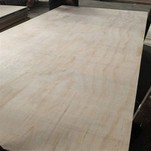
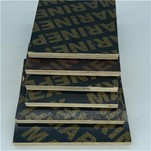
Film-coated plywood is a high-performance panel material made by laminating a layer of plastic film or other functional film onto the surface of traditional plywood. It combines the mechanical stability of plywood with the protective and decorative properties of the film layer, exhibiting unique advantages in construction, furniture manufacturing, transportation, and packaging, making it a composite material that has attracted considerable attention in recent years.
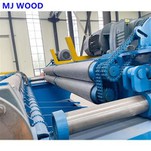
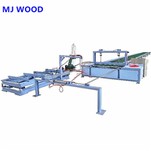
From a structural and process perspective, film-coated plywood typically uses multi-layered wood veneers glued together as a base material, which is then combined with treated film materials under high temperature and pressure. The types of films are diverse, commonly including polyethylene (PE), polypropylene (PP), polyvinyl chloride (PVC), and melamine-impregnated paper. Depending on the application, these films can possess characteristics such as water resistance, wear resistance, corrosion resistance, stain resistance, and specific colors and textures. The lamination process requires strict control of temperature, pressure, and time to ensure tight bonding between the film and the base material, preventing bubbles, delamination, or wrinkles, thus guaranteeing the integrity and durability of the finished product.
The technical characteristics of film-coated plywood are mainly reflected in four aspects. Firstly, the surface film provides the panel with excellent water resistance, chemical corrosion resistance, and ease of cleaning, making it particularly suitable for environments with high demands for moisture and stain resistance, such as kitchen countertops, bathroom cabinets, laboratory countertops, and refrigerated truck linings. Secondly, the film layer effectively resists scratches and wear, extending its service life and reducing maintenance frequency. Thirdly, the film surface is smooth and can be printed with various colors and patterns, imitating stone, wood grain, or other decorative effects, combining aesthetics and practicality. Fourthly, due to the sealing effect of the film, it can, to some extent, inhibit the release of harmful gases from the base material, improving safety for indoor use.
In terms of application, film-coated plywood is widely used in interior and exterior decoration, furniture and structural cladding for public facilities, interior linings of transportation vehicles, temporary construction formwork, and heavy-duty packaging boxes requiring frequent cleaning. Its lightweight, high-strength, moisture-proof, and durable comprehensive performance makes construction and subsequent maintenance more convenient, and it maintains a good appearance and function even in humid or polluted environments. With the advancement of green manufacturing and environmental regulations, film-faced plywood is evolving towards low-formaldehyde or formaldehyde-free substrates and biodegradable films to reduce its environmental impact. Simultaneously, innovations in surface functionalization continue, such as the application of antibacterial, antistatic, and weather-resistant films, further expanding its applicability in high-end fields such as medical, electronics, and outdoor facilities.
Overall, film-faced plywood, with its structural stability, strong performance versatility, and wide range of applications, has become an important material option in modern manufacturing and construction. In the future, with advancements in material science and processing technology, it will play a crucial role in more scenarios in a more environmentally friendly and durable form.
Technical Characteristics and Application Prospects of Film-Coated Plywood
Dec 29, 2025


Send Inquiry
Categories
Contact Us
- WeChat&whatsapp:
+8613365001069 (Jane Lin-Sales Director) - Email: jane@mjwoodindustry.com (Sales Director)
- Email: rita@mjwoodindustry.com (Sales)
- CBD Sales Office Add: Room 1005, Building C, No. 88 Shuixian Street, Longwen District, Zhangzhou City, Fujian Province
- Factory: 5 manufacturing bases located in Fujian province, China.