

Hardwood plywood, as an important type of engineered wood product combining mechanical strength and aesthetic appeal, has consistently maintained a strong position in global architectural decoration, high-end furniture, and specialized engineering fields. With the deepening of green manufacturing concepts, the advancement of consumption upgrades, and the acceleration of technological innovation, the industry is exhibiting multi-dimensional evolutionary trends, with profound changes occurring in its structure and business models.
Environmental compliance and sustainable development have become the core driving forces of the industry. Increasingly stringent regulations on formaldehyde emission limits in various countries are prompting manufacturers to accelerate the transition to formaldehyde-free or low-formaldehyde adhesive systems and prioritize the use of renewable and traceable hardwood resources. The utilization rate of fast-growing or sustainably managed tree species such as cork oak, birch, and beech is increasing, coupled with carbon footprint management in harvesting and processing, making products more compliant with green building evaluation standards throughout their life cycle and meeting the rigid demand for environmentally friendly building materials in domestic and international markets.
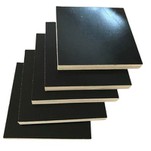
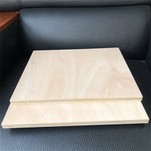
Quality upgrades and functional diversification are developing in parallel. Consumers' demands for natural wood grain, surface flatness, and durability are constantly increasing, prompting companies to invest in refined materials selection, gluing processes, and surface treatment. High-moisture-resistant, flame-retardant, and antibacterial functional hardwood plywood is gradually emerging, better suited to the demanding environments of kitchens and bathrooms, medical facilities, and public buildings. At the same time, the development of large-sized, ultra-thin, and custom-shaped products has broadened its application scope in high-end custom furniture and artistic decoration.
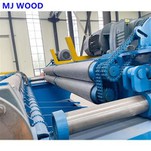
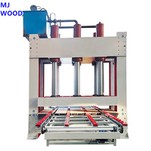
Intelligent manufacturing and digital management are reshaping production models. The widespread adoption of automated panel assembly, CNC cutting, and intelligent presses has improved dimensional accuracy and production efficiency, reducing human error and material waste. Through the Internet of Things and big data platforms, companies can monitor and track equipment operating status, process parameters, and quality indicators in real time, enabling flexible production and rapid response to order changes, thereby enhancing market competitiveness.
Globalization and supply chain collaboration are becoming increasingly close. The international market demand for high-quality hardwood plywood is steadily growing, particularly in high-end construction in Europe and the United States and in emerging markets in Asia. Leading companies are actively optimizing their global supply chains by establishing processing bases in raw material producing regions and partner areas. This reduces uncertainties caused by logistics and trade barriers, while also strengthening collaboration with downstream design, construction, and home furnishing brands, forming an integrated service system from raw materials to end products.
Overall, the hardwood plywood industry trend reflects a deep integration of green practices, functionality, intelligence, and internationalization. In the future, companies that can achieve breakthroughs in environmental technology, product structure, and intelligent manufacturing will gain greater development opportunities in the new round of competition and provide higher-quality, more sustainable panel solutions for the global building materials and home furnishing industries.
Analysis Of Trends in The Hardwood Plywood Industry
Nov 29, 2025

Send Inquiry
Latest News



Contact Us
- WeChat&whatsapp:
+8613365001069 (Jane Lin-Sales Director) - Email: jane@mjwoodindustry.com (Sales Director)
- Email: rita@mjwoodindustry.com (Sales)
- CBD Sales Office Add: Room 1005, Building C, No. 88 Shuixian Street, Longwen District, Zhangzhou City, Fujian Province
- Factory: 5 manufacturing bases located in Fujian province, China.